Budget and prices
What an outdoor setting costs you per year, not per ticket
Spread the setting over the years it survives and add the oil, cushions and cover. A $1,800 timber setting runs at about $317 a year once care is counted.
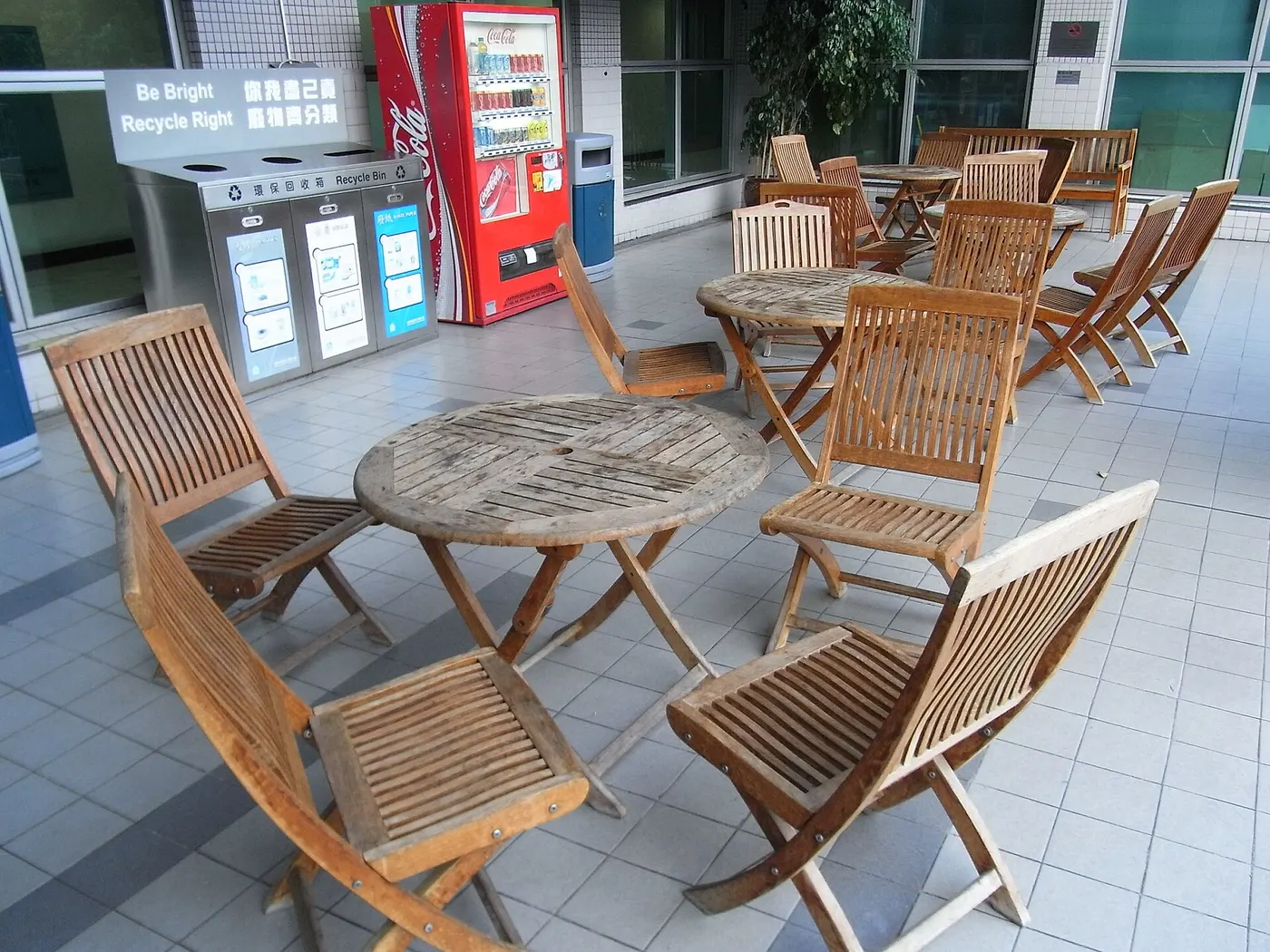
The ticket price is the part of outdoor furniture that is easiest to compare and the least useful. What a setting costs is the purchase divided by the years it survives outside, plus the oil, the cover and the cushions you replace along the way.
This guide works the arithmetic through so you can substitute your own figures. Every price is an example checked on 2026-11-03 rather than a quote, and this site carries no price feed. The ABS reported household spending on furnishings and household equipment down 0.6% in the month to August 2026, with total household spending 6.8% higher than a year earlier, so comparisons across a year need care.
Advertisement
Divide by the years it survives outside
A $1,800 timber setting kept 10 years costs $180 a year in purchase alone. The same setting replaced after 4 years costs $450 a year. Nothing about the furniture changed between those two figures except where it was stored and whether it was oiled.
Set against that, a $600 untreated softwood setting that reaches 4 years costs $150 a year, which is less per year than the timber setting that lasts ten. That is the result people find counter-intuitive, and it is real: cheap furniture is not automatically expensive per year, it is expensive per year only when the care cost rides on top of a short life.
The cost-per-year calculator on this site takes your own purchase price, expected life and annual care spend. Enter the life you will actually give it, which for a setting left uncovered on an exposed deck is shorter than the showroom assumption.
| Setting | Example price | Assumed life | Care per year | Cost per year |
|---|---|---|---|---|
| Untreated softwood table and benches | $600 | 4 years | $45 | $195 |
| Hardwood or teak six-seat setting | $1,800 | 10 years | $137 | $317 |
| Powder-coated aluminium six-seat setting | $2,400 | 12 years | $52 | $252 |
| Steel-framed outdoor wicker lounge | $1,200 | 6 years | $52 | $252 |
Cost per year is the price divided by the assumed life, plus the care figure. Care is built up in the next section. These are worked examples with a check date, not offers or recommendations.
Where the care money goes
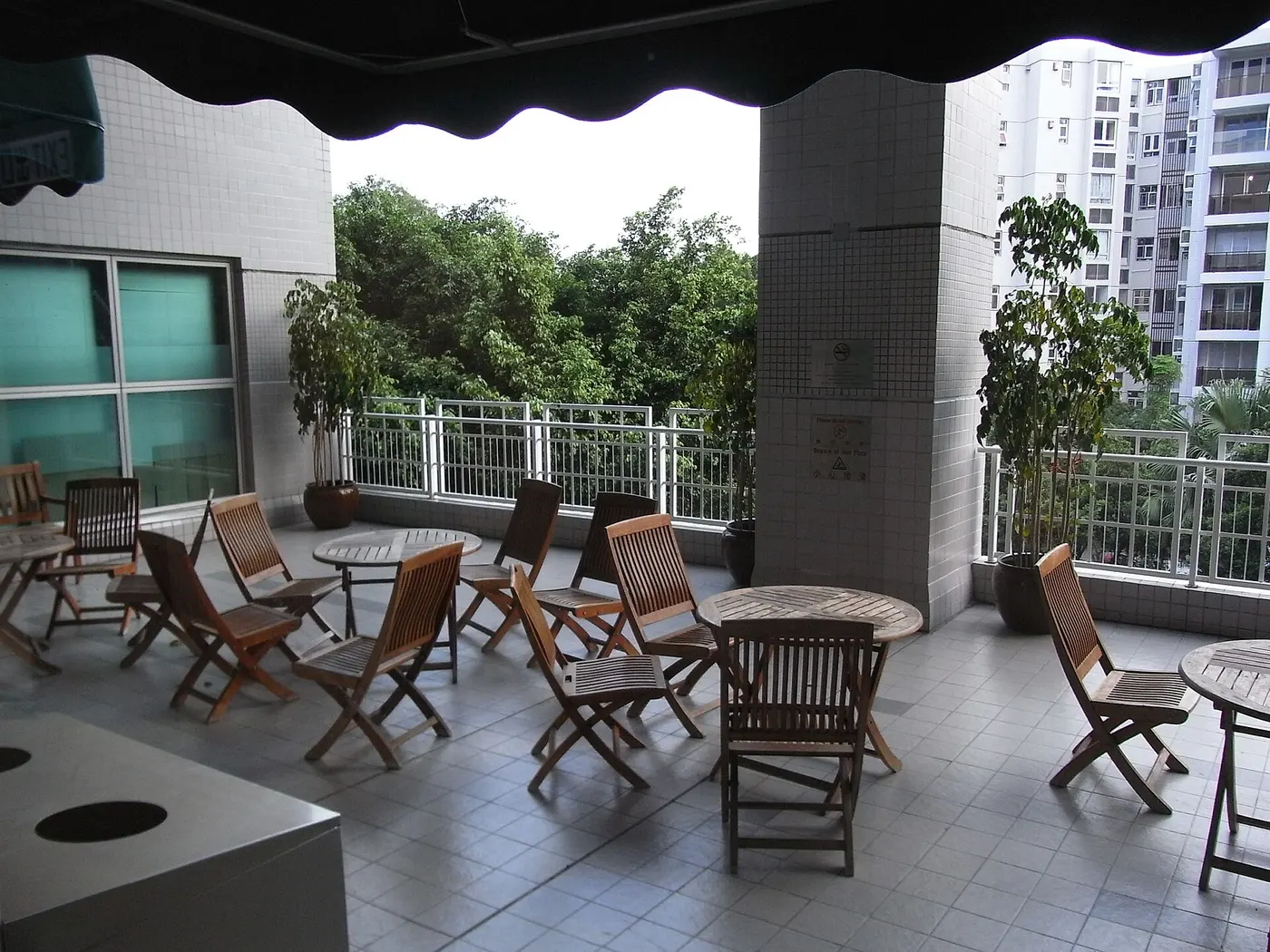
Three lines make up the care column. Decking or furniture oil for a timber setting runs about $45 a year for one litre and an afternoon's work. A fitted cover at about $120, replaced every 3 years, is $40 a year. A cushion set at about $260, replaced every 5 years, is $52 a year.
For the timber setting all three apply, which is $45 plus $40 plus $52, or $137 a year. For the aluminium and wicker settings only the cushions apply, which is $52 a year. The untreated softwood bench has no cushions and takes oil only, at $45 a year.
That is why the aluminium setting comes out cheaper per year than the teak one at $252 against $317, despite costing $600 more on the ticket. The teak setting is 50% dearer up front and 26% dearer per year, and the gap is created by oil and a cover rather than by the timber itself.
- Furniture or decking oil: about $45 a year, timber settings only
- Fitted cover: about $120 every 3 years, which is $40 a year
- Cushion set: about $260 every 5 years, which is $52 a year
- Timber setting total care: $45 plus $40 plus $52, or $137 a year
- Aluminium or wicker setting total care: $52 a year
- Skipping the oil on a timber setting typically halves the life assumed in the table above
GST, imports and the price you are really comparing
Consumer prices in Australia are advertised GST inclusive, so a $1,800 ticket already contains about $163.64 of GST. An overseas listing quoted without tax is not comparable until that 10% is added back.
For goods bought from overseas sellers, business.gov.au states that GST applies to most retail sales of low value physical goods imported by Australian consumers, affecting goods valued at A$1,000 or less, and that the A$1,000 threshold is based on the customs value so that transport and insurance costs are excluded. A seller registered for Australian GST collects the 10% at checkout on those consignments.
Outdoor furniture frequently exceeds that threshold once a table and six chairs travel together, and then GST, any duty and clearance charges are raised at the border instead. On a $1,400 customs value that is $140 of GST plus clearance, on top of freight that can run to several hundred dollars for a crated setting. The landed-cost calculator on this site adds those lines so the comparison is like for like.
| Line | Bought in Australia | Imported, customs value $1,400 |
|---|---|---|
| Advertised price | $1,800 GST inclusive | $1,400 before tax |
| GST | $163.64 already included | $140 raised at the border |
| Freight | Often included or local delivery | Add crated sea or air freight |
| Clearance and handling | None | Add a customs broker or carrier fee |
| Remedy if it fails | Automatic consumer guarantees apply | Depends on the seller trading in Australia |
The GST figure on the Australian row is $1,800 divided by 11, which is how GST is extracted from a tax-inclusive price.
The decisions that actually move the figure
Three things change cost per year by more than the choice between two settings at the same price. The first is storage: cushions brought inside between uses outlast cushions left out by a wide margin, and cushions are the one recurring line every material shares.
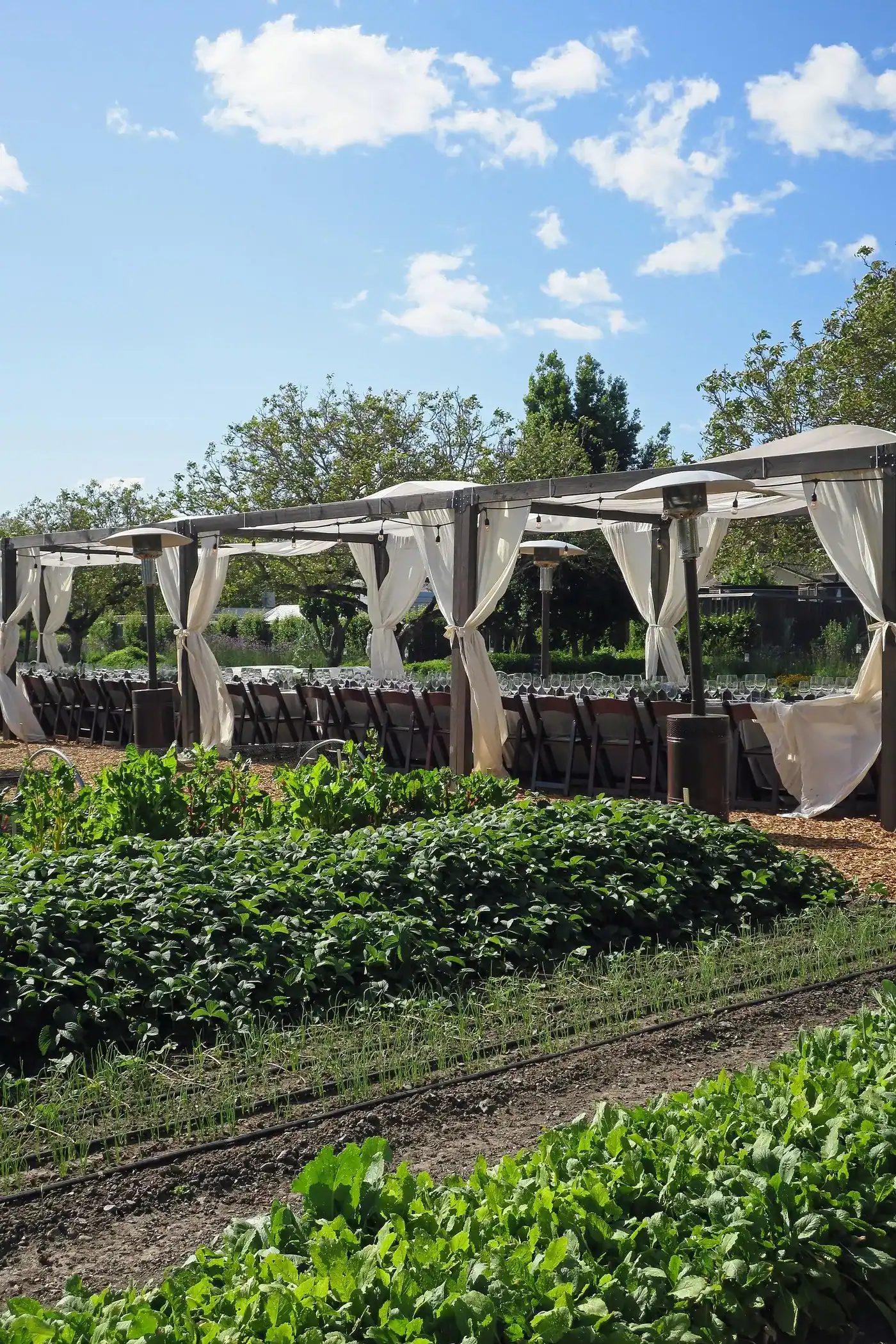
The second is the shade over the setting. Furniture under a roof or sail takes far less ultraviolet and far less rain, and the assumed lives in the first table are for furniture in the open. The third is whether you will realistically oil a timber setting once a year; a household that will not do that should buy the material that does not ask for it.
Run your own figures before you choose a material. A household that stores cushions indoors and has a covered verandah can justify the timber setting at $317 a year; one that leaves everything out through a coastal summer usually cannot.
- Write down the purchase price including GST
- Decide the life honestly, based on whether the setting will be covered and oiled
- Add $52 a year for cushions if the setting has any
- Add $40 a year for a cover and $45 a year for oil if it is timber
- Divide the price by the life and add the care figure to get cost per year
- Repeat for the alternative material before comparing ticket prices
Before you buy
- Write the GST-inclusive purchase price at the top of the sum
- Choose an assumed life based on whether the setting will be covered and oiled
- Add $52 a year for cushions, $40 a year for a cover, $45 a year for oil where they apply
- Divide the price by the life and add the care total
- Do the same arithmetic for the alternative material before comparing
- Add 10% GST, freight and clearance to any overseas price
- Subtract a realistic resale figure for hardwood settings only
Questions readers ask
- Is an expensive setting always cheaper per year?
- No. On the worked figures a $2,400 aluminium setting over 12 years costs $252 a year, while a $1,800 timber setting over 10 years costs $317 because it also takes oil and a cover. The ticket price and the cost per year can rank in opposite directions, which is why the care column has to be filled in before the comparison means anything.
- How much does skipping the annual oiling cost?
- It saves $45 a year and typically halves the assumed life. A $1,800 timber setting at 10 years costs $180 a year in purchase; at 5 years it costs $360. Saving $45 to add $180 is the worst trade in this guide, and it is the most common one.
- Do covers pay for themselves?
- They pay through the cushions rather than the frame. A cover at $120 every 3 years is $40 a year, against a cushion set at $260 every 5 years, or $52 a year. If the cover extends cushion life from 5 to 8 years, the cushion line falls to about $33 a year and the cover has not quite paid for itself on cushions alone.
- What does GST add to an imported setting?
- Ten per cent of the customs value. On a $1,400 customs value that is $140, raised at the border because the consignment is over the A$1,000 threshold, plus any duty and a clearance charge. Below A$1,000 of customs value a GST-registered overseas seller collects the 10% at checkout instead.
- Should I count resale value?
- Subtract it from the price before dividing. A teak setting sold for $500 after 10 years leaves $1,300 to spread, which is $130 a year of purchase instead of $180, taking the all-in figure from $317 to $267. Hardwood holds a used market; powder-coated aluminium and wicker generally do not.
Sources
- business.gov.au — International tax: GST on low value imported goods and the A$1,000 customs value threshold — checked 2026-11-03
- Australian Bureau of Statistics — Monthly Household Spending Indicator, August 2026 (total spending up 6.8% on a year earlier) — checked 2026-11-03
- Consumer Affairs Victoria — consumer guarantees that apply automatically, including acceptable quality and durability — checked 2026-11-03
Some links on this site can earn us a commission. That does not change which product a guide recommends, and it adds nothing to your price.